
The wick might seem like a small detail, but it has a big effect on how a candle sounds, how it burns, and how the flame looks. The two most common types on the market are cotton wicks and wooden wicks, and they behave quite differently.
Cotton wicks are the traditional choice and remain the most widely used. They produce a steady, quiet flame and tend to be a safe, reliable option across almost every wax type and container shape. Cotton wicks generally need trimming to about a quarter of an inch before each burn to avoid excess smoke or an oversized flame.
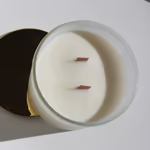
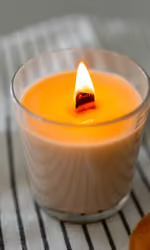
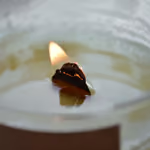
Wooden wicks have grown popular for the soft crackling sound they produce as they burn, similar to a small fireplace. They tend to burn slightly wider and flatter than a cotton wick, which can create a broader melt pool. Wooden wicks need slightly different care: they should be trimmed to about an eighth of an inch, and any charred, curled wood should be cleared away before relighting so the flame stays consistent.
If you want a classic, quiet burn that works reliably across many candle styles, cotton is the dependable choice. If you enjoy a bit of ambiance and do not mind slightly more attentive upkeep, a wooden wick candle adds a sensory element that goes beyond just fragrance.
Regardless of wick type, always let the wax cool completely before trimming, and keep the wick centred in the container so the candle burns evenly from edge to edge.
.svg)
.svg)
.svg)







.svg)
.svg)
.svg)
.svg)
.svg)
.svg)